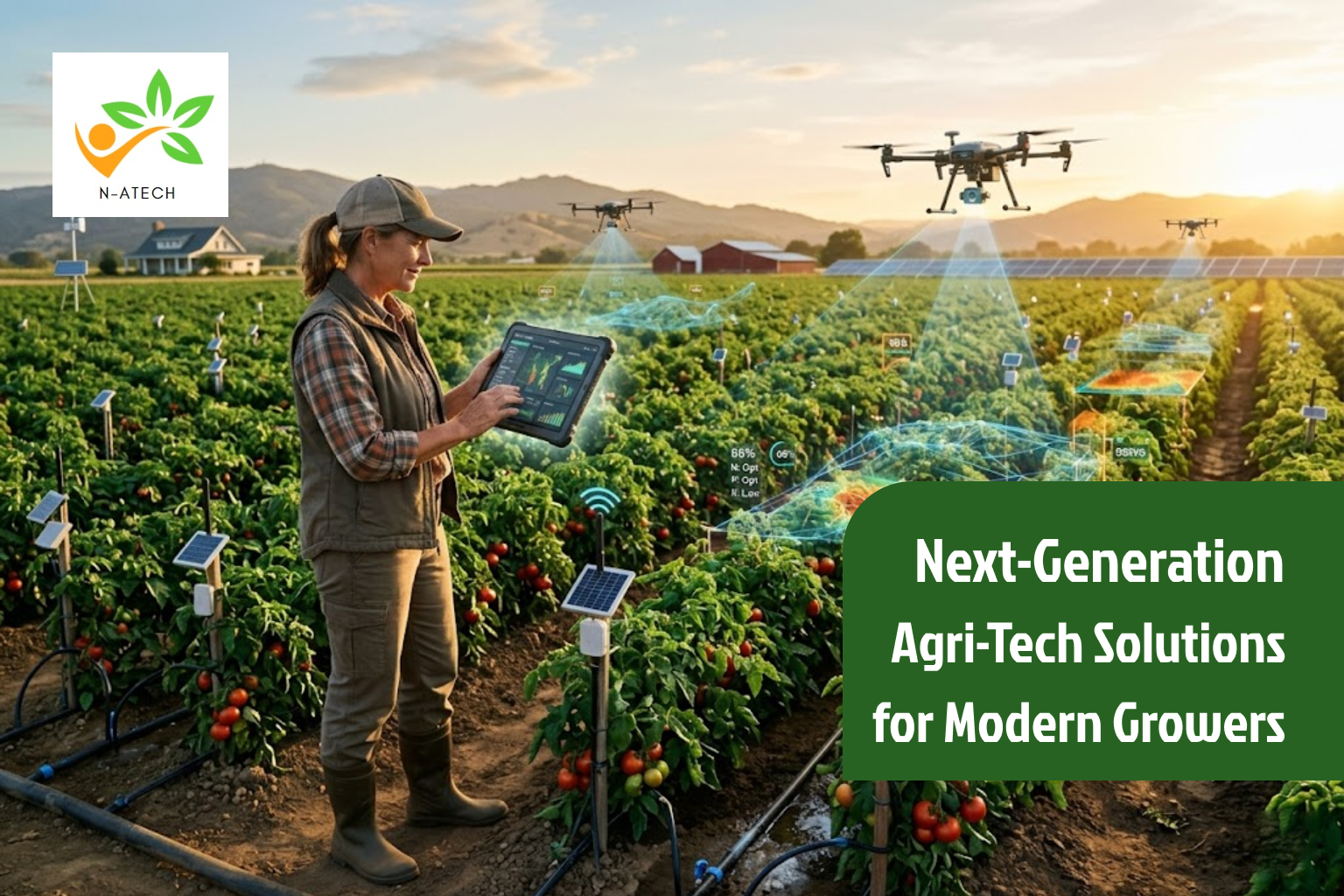



Agriculture is no longer just about planting seeds and harvesting crops. Modern growers face complex challenges: increasing global food demand, climate change, water scarcity, and rising operational costs. To thrive in this rapidly evolving environment, farmers need innovative technology solutions that empower them to make data-driven decisions, optimize resources, and maximize yield. Next-generation agri-tech solutions are transforming the way farms operate, making agriculture smarter, more efficient, and sustainable than ever before.
The Need for Modern Agri-Tech
Traditional farming methods, while effective for decades, are often insufficient in today’s context. Farmers face challenges such as:
Unpredictable weather patterns impacting crop growth
Soil degradation and nutrient depletion
Inefficient water and resource management
Pest and disease outbreaks affecting yields
Addressing these challenges requires advanced tools that combine technology, data analytics, and automation. Next-generation agri-tech solutions enable farmers to monitor crops, analyze soil, predict outcomes, and implement interventions with precision.
Key Next-Generation Agri-Tech Innovations
1. Precision Agriculture
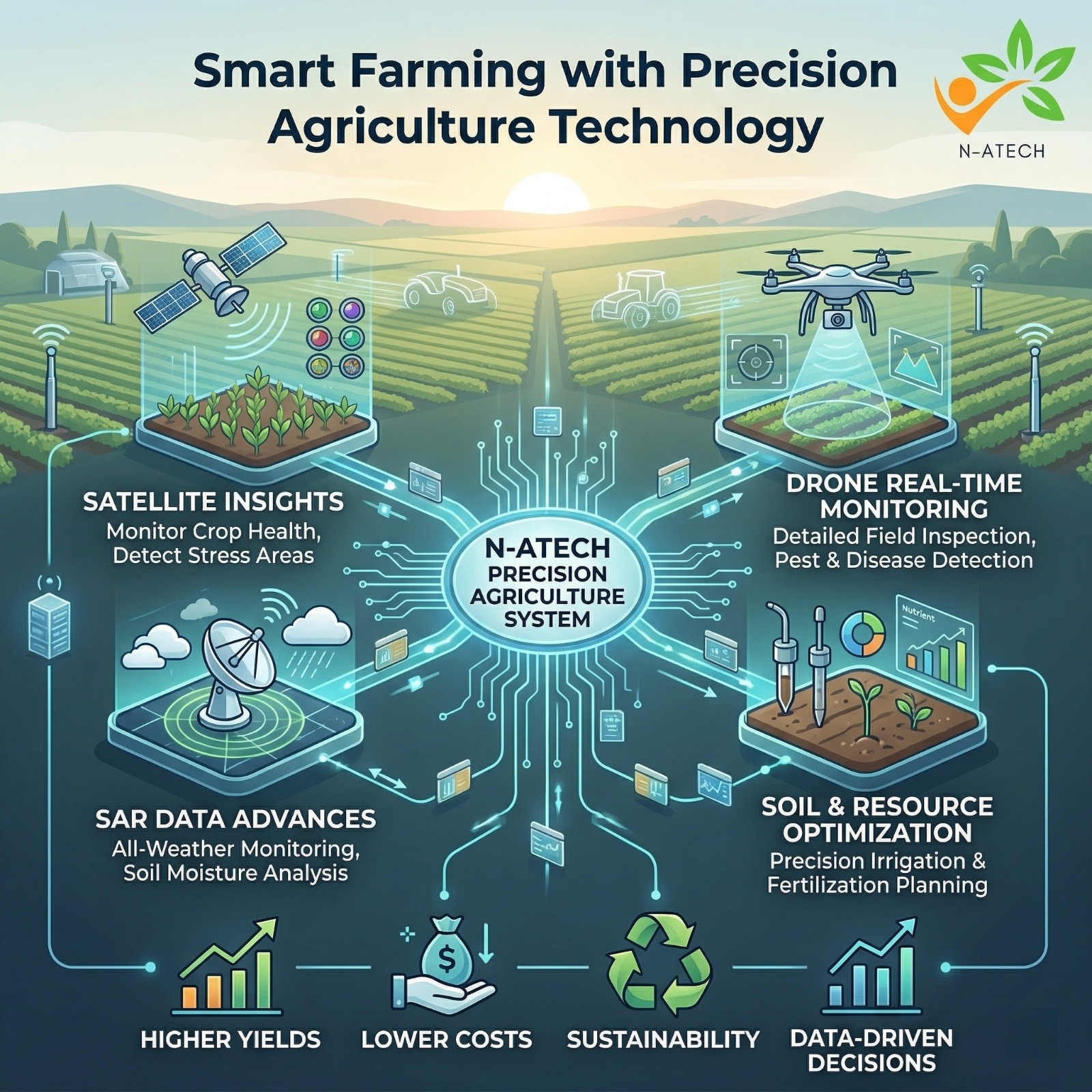
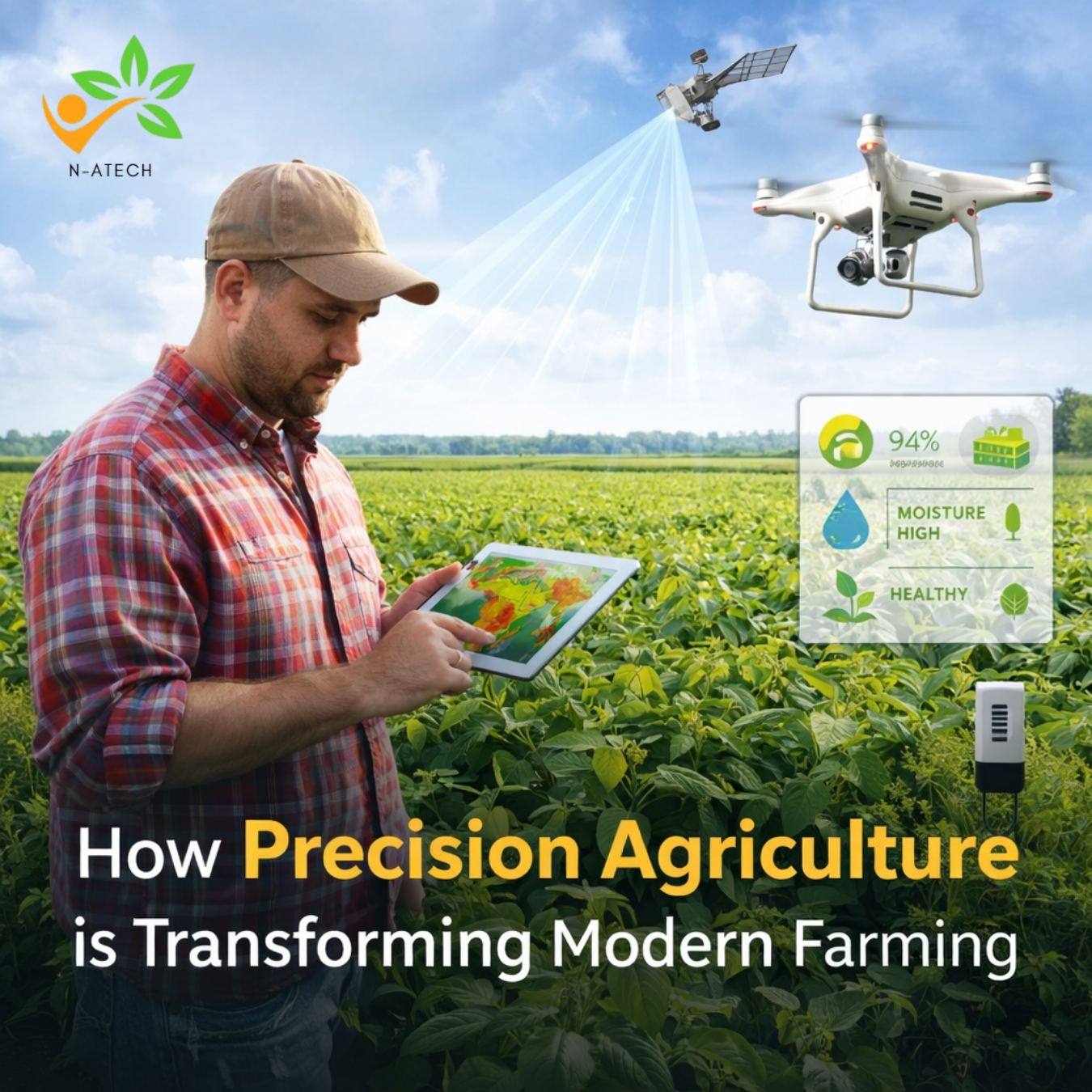
Precision agriculture is at the core of modern farming. Using GPS, IoT sensors, and data analytics, growers can monitor field conditions in real time. This technology allows farmers to:
Apply fertilizers and pesticides only where needed
Optimize irrigation schedules based on soil moisture
Track crop growth and health remotely
Reduce waste and operational costs
By targeting resources precisely, precision agriculture improves yield, efficiency, and sustainability.
2. Remote Sensing and Drone Technology
Drones and satellite imagery have revolutionized crop monitoring and land management. Equipped with multispectral and thermal sensors, drones provide real-time data on:
Crop health and stress
Soil moisture levels
Pest or disease outbreaks
Nutrient deficiencies
With these insights, growers can make timely decisions, preventing yield losses and reducing the environmental impact of farming.
3. Synthetic Aperture Radar (SAR) Mapping
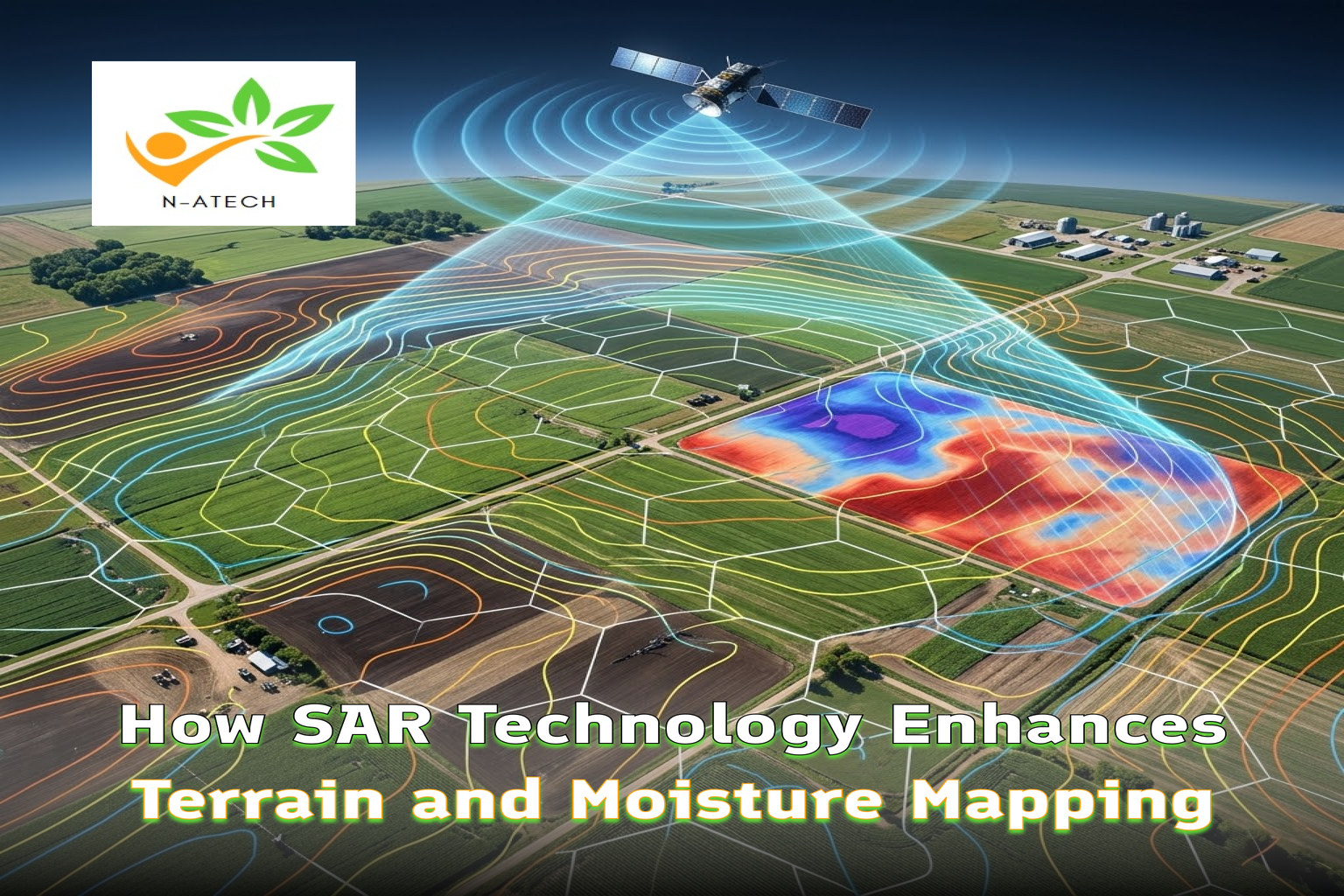
SAR technology is a game-changer for terrain and soil moisture mapping. Unlike traditional imaging, SAR penetrates clouds and works in any weather condition, delivering accurate, high-resolution maps of fields. SAR enables farmers to:
Monitor soil moisture and drainage patterns
Identify flood-prone areas or drought stress zones
Improve irrigation efficiency and land use planning
Integrating SAR with GIS platforms and predictive analytics empowers growers to adopt proactive farm management strategies.
4. Smart Irrigation Systems
Water scarcity is a major concern for farmers worldwide. Smart irrigation systems use sensors, AI, and data analytics to deliver water exactly where and when it is needed. Benefits include:
Reduced water wastage
Optimized crop hydration
Lower energy costs
Enhanced crop growth and quality
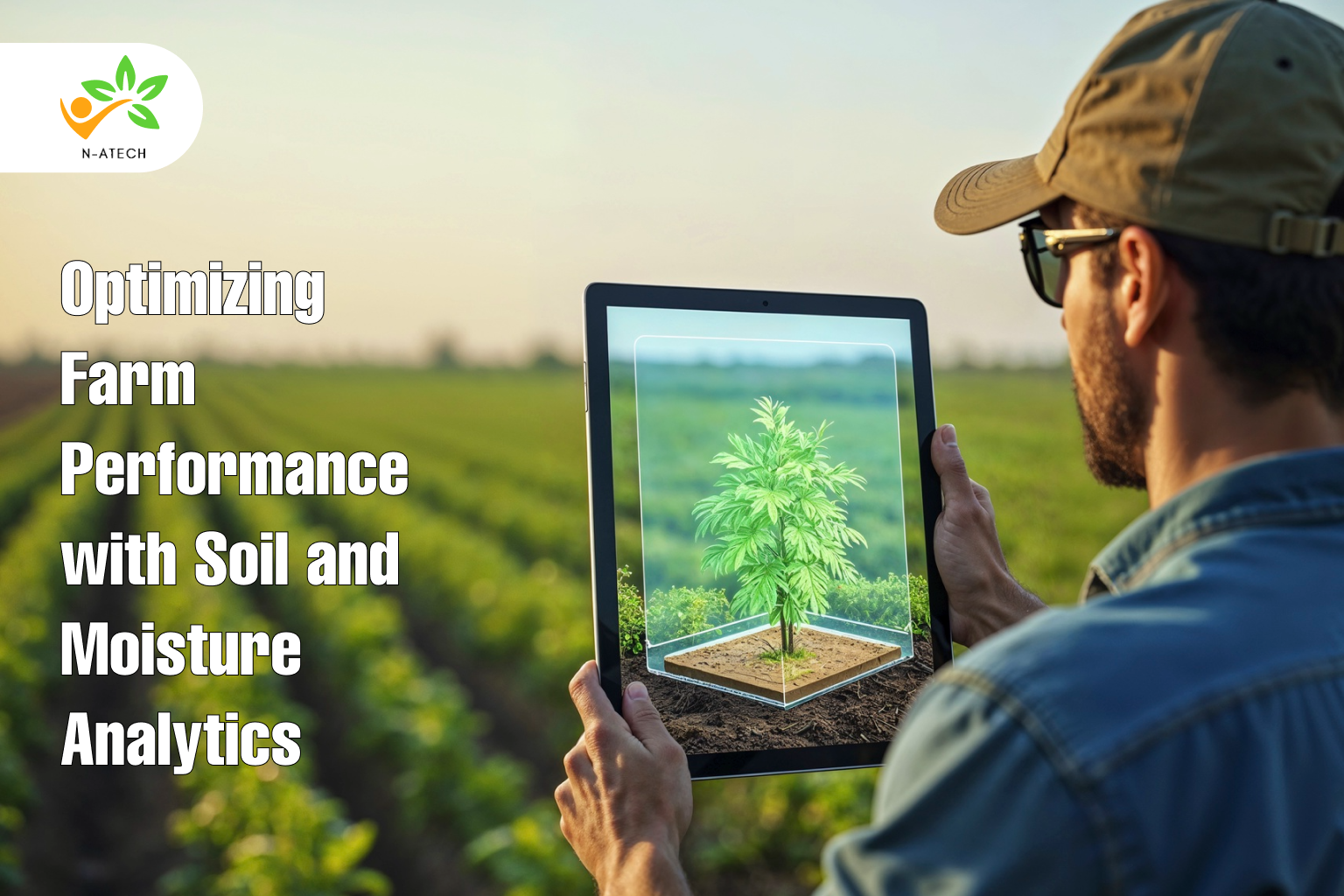
When combined with soil moisture analytics and weather forecasts, these systems ensure maximum productivity with minimal resources.
5. IoT and Sensor Networks
The Internet of Things (IoT) is transforming agriculture into a connected ecosystem. Field-deployed sensors can track:
Soil pH and nutrient levels
Temperature and humidity
Crop growth stages
Pest or disease detection
Data collected from these sensors feed into AI-driven platforms that generate actionable insights, allowing farmers to respond quickly and efficiently.
6. AI and Predictive Analytics
Artificial intelligence (AI) and machine learning analyze massive amounts of agricultural data to predict trends and outcomes. AI can help farmers:
Forecast crop yields and growth cycles
Predict disease and pest outbreaks
Optimize fertilizer and water usage
Identify high-performing crop varieties for specific fields
By using predictive analytics, growers make smarter decisions, reduce risks, and improve profitability.
Benefits of Adopting Next-Generation Agri-Tech
1. Increased Productivity and Yield
Modern agri-tech solutions allow farmers to maximize output per acre. Precision interventions, real-time monitoring, and predictive insights reduce crop stress and ensure optimal growth conditions.
2. Efficient Resource Management
Technology helps conserve water, reduce fertilizer usage, and lower energy consumption. Smart irrigation, soil analytics, and AI-guided recommendations prevent waste and reduce costs.
3. Sustainability and Environmental Protection
Next-gen agri-tech encourages sustainable practices by minimizing chemical runoff, optimizing water usage, and promoting soil health. This not only benefits the environment but also strengthens farm resilience against climate change.
4. Risk Mitigation
From unpredictable weather to pest infestations, modern technology helps farmers anticipate risks and take preventive action. Early detection systems and predictive analytics ensure faster, smarter interventions.
5. Data-Driven Decision Making
Access to real-time, accurate field data empowers growers to make informed decisions. Whether it’s planting, fertilizing, or harvesting, data-driven farming reduces guesswork and improves profitability.
Real-World Applications
Modern growers around the world are already seeing the impact of next-generation agri-tech:
Farms using precision irrigation and soil sensors have reduced water usage by up to 25% while increasing yields.
Drone-based crop monitoring has helped farmers detect pest infestations early, reducing pesticide use and preventing crop loss.
SAR and GIS mapping allow large-scale farms to optimize field layouts, drainage, and planting patterns for maximum efficiency.
Choosing the Right Agri-Tech Partner
Implementing advanced agri-tech solutions requires expertise in technology integration, data analytics, and farm management. Companies like N-atech specialize in providing end-to-end precision agriculture solutions, combining SAR, IoT sensors, drones, GIS analytics, and AI-driven platforms. By partnering with experts, farmers can ensure that technology is tailored to their specific fields, crops, and goals, delivering measurable results in yield, efficiency, and sustainability.
The Future of Agriculture
The future of farming lies in intelligent, technology-driven operations. Next-generation agri-tech solutions empower growers to:
Increase productivity without expanding land use
Conserve natural resources
Adapt quickly to climate change and market demands
Operate sustainably while maximizing profitability
Farmers who embrace these innovations are not just optimizing their current operations—they are building resilient farms for generations to come.
Conclusion
Next-generation agri-tech solutions are redefining the future of agriculture. From precision farming and drone monitoring to SAR terrain mapping and AI-driven analytics, these tools empower modern growers to make smarter decisions, increase efficiency, and achieve higher yields sustainably. By leveraging advanced technology, farmers can tackle the challenges of today while preparing for the opportunities of tomorrow.
For growers looking to stay ahead in a competitive and evolving agricultural landscape, investing in next-generation agri-tech is no longer optional—it’s essential. Companies like N-atech provide the tools, expertise, and insights to help farmers embrace the future of farming, ensuring productive, sustainable, and resilient agriculture for years to come.

Leave a reply