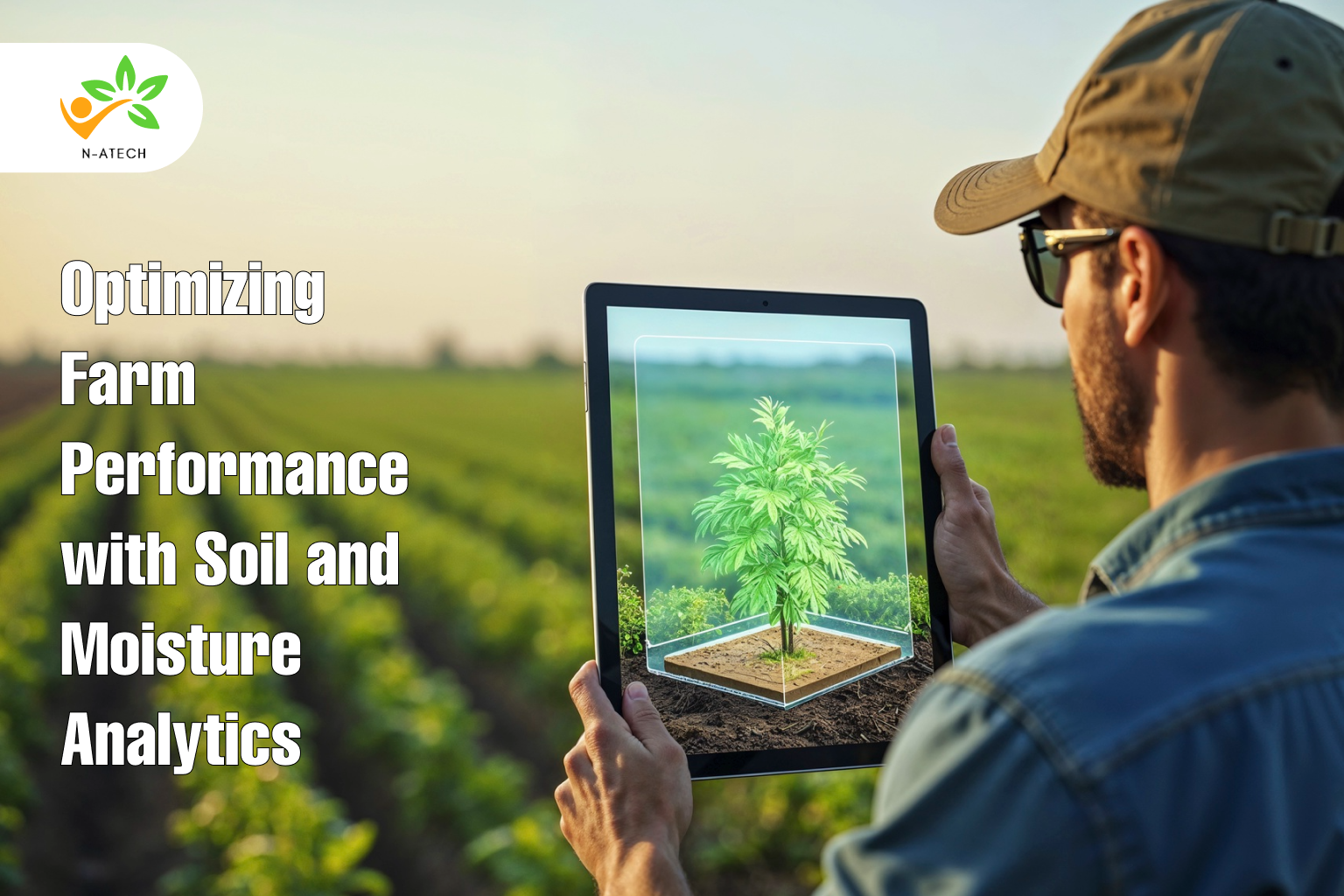



In today’s fast-evolving agricultural landscape, data-driven decision-making is no longer optional—it’s essential. Farmers face increasing pressure to maximize crop yield, minimize resource waste, and adapt to climate variability. One of the most effective ways to achieve these goals is by leveraging soil and moisture analytics, a modern approach that transforms raw field data into actionable insights.
Understanding Soil and Moisture Analytics
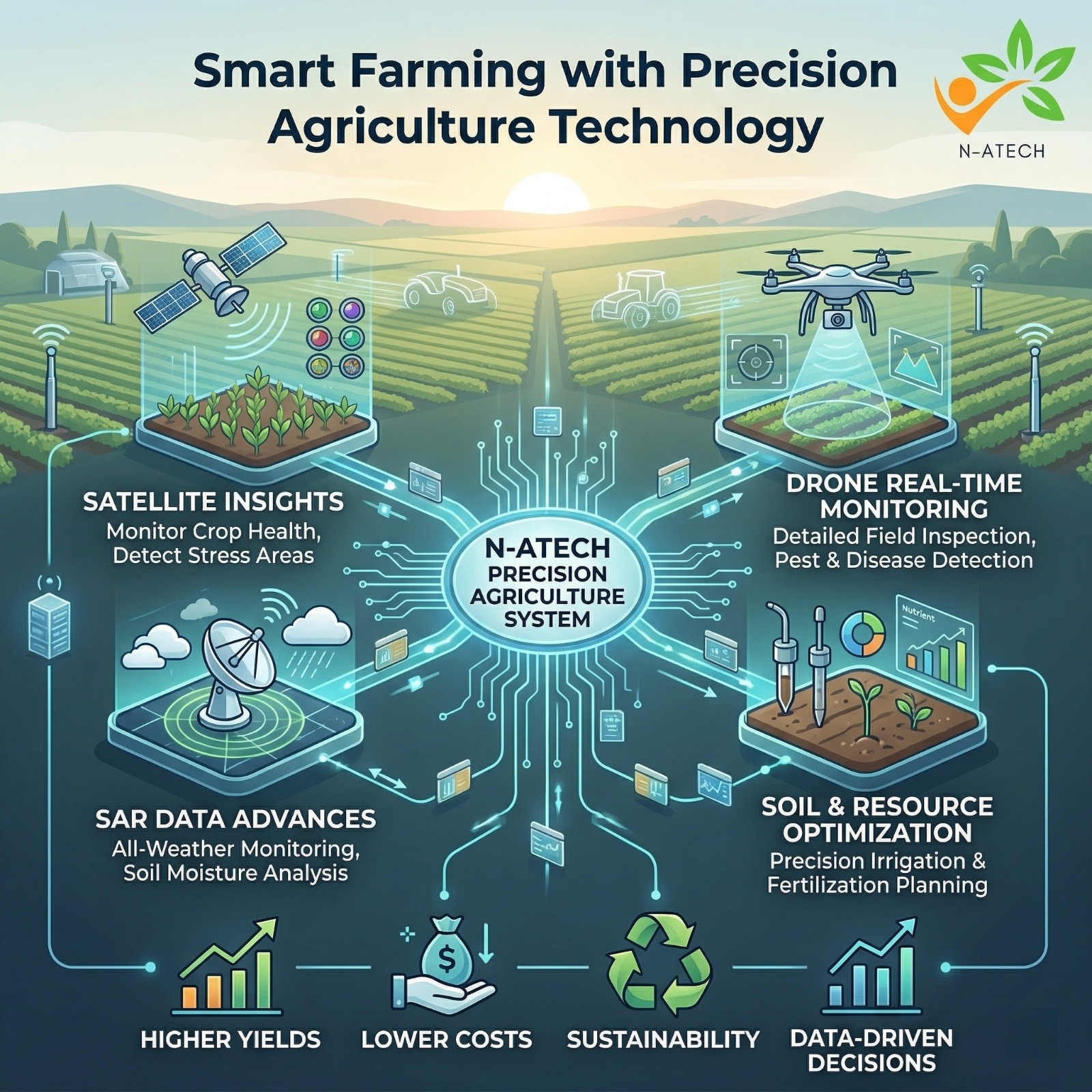
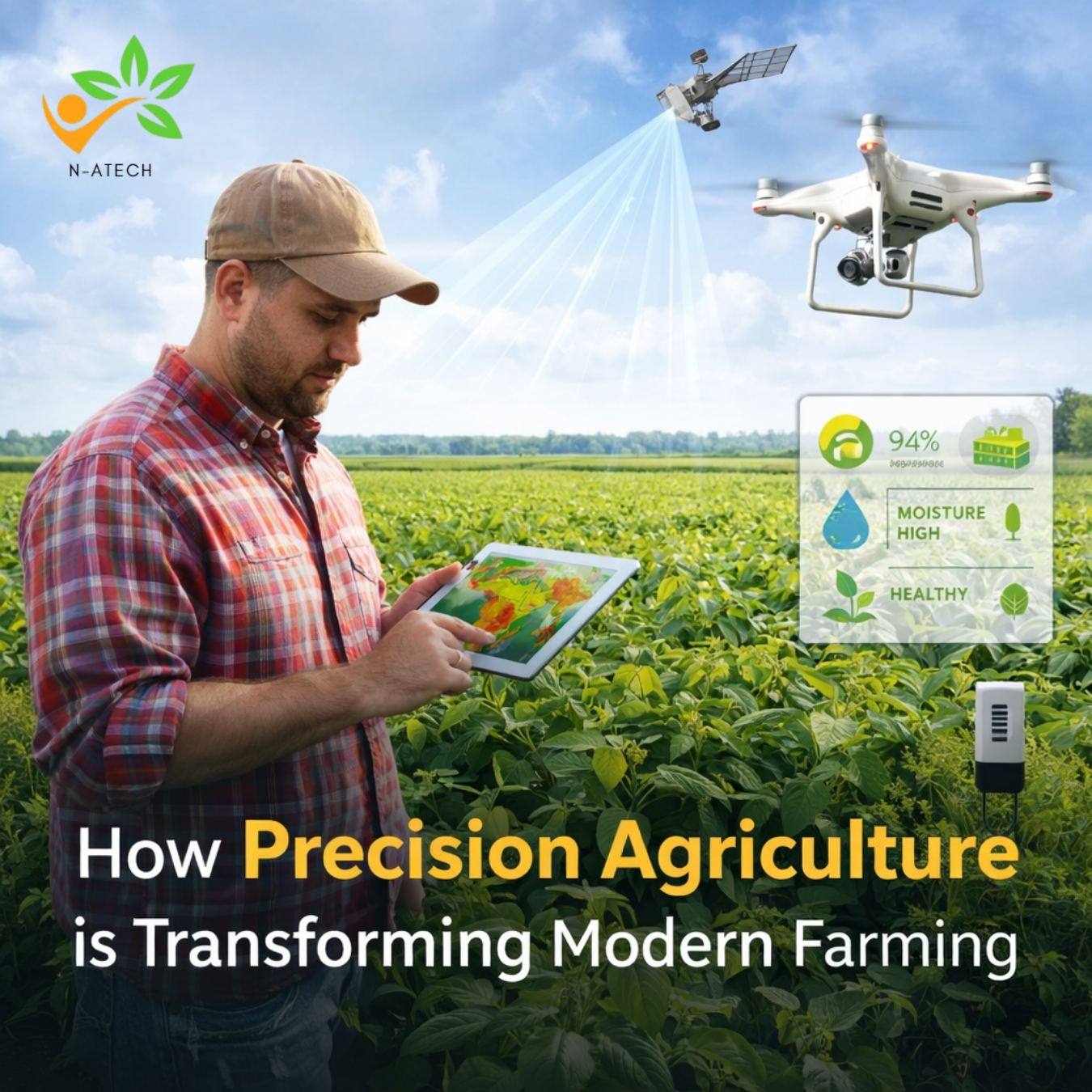
Soil and moisture analytics involves the collection, processing, and interpretation of data related to soil composition, moisture content, and nutrient availability. Using advanced tools like remote sensing, IoT soil sensors, drones, and GIS mapping, farmers can gain a precise understanding of field conditions at any given moment.
This knowledge empowers them to make informed decisions about irrigation, fertilization, and crop rotation—ultimately improving farm productivity while conserving resources.
Key Benefits for Farmers
1. Enhanced Crop Yield
Accurate soil and moisture data allows farmers to provide the exact water and nutrients each part of the field needs. This precision farming approach reduces under- or over-application of resources, ensuring crops grow healthier and more uniformly.
2. Resource Efficiency
Water scarcity is a growing challenge for agriculture worldwide. By monitoring soil moisture in real-time, farmers can optimize irrigation schedules, reduce water wastage, and lower energy costs associated with pumping and distribution.
3. Early Problem Detection
Soil and moisture analytics help detect stress conditions, nutrient deficiencies, and pest vulnerabilities early. By acting promptly, farmers can prevent yield losses and reduce the need for chemical treatments.
4. Sustainable Farming Practices
By aligning water and fertilizer application with precise field requirements, farmers can adopt eco-friendly practices that minimize runoff, reduce soil erosion, and protect the surrounding ecosystem.
How Technology Makes a Difference
Modern tools have revolutionized soil and moisture analytics:
-
IoT Soil Sensors: Placed strategically in fields, these sensors continuously monitor moisture, pH, and nutrient levels.
-
Drones & Aerial Imaging: High-resolution images help identify soil variability and crop stress patterns.
-
GIS & Data Analytics Platforms: Advanced software aggregates sensor and satellite data into actionable insights, allowing for field-specific recommendations.
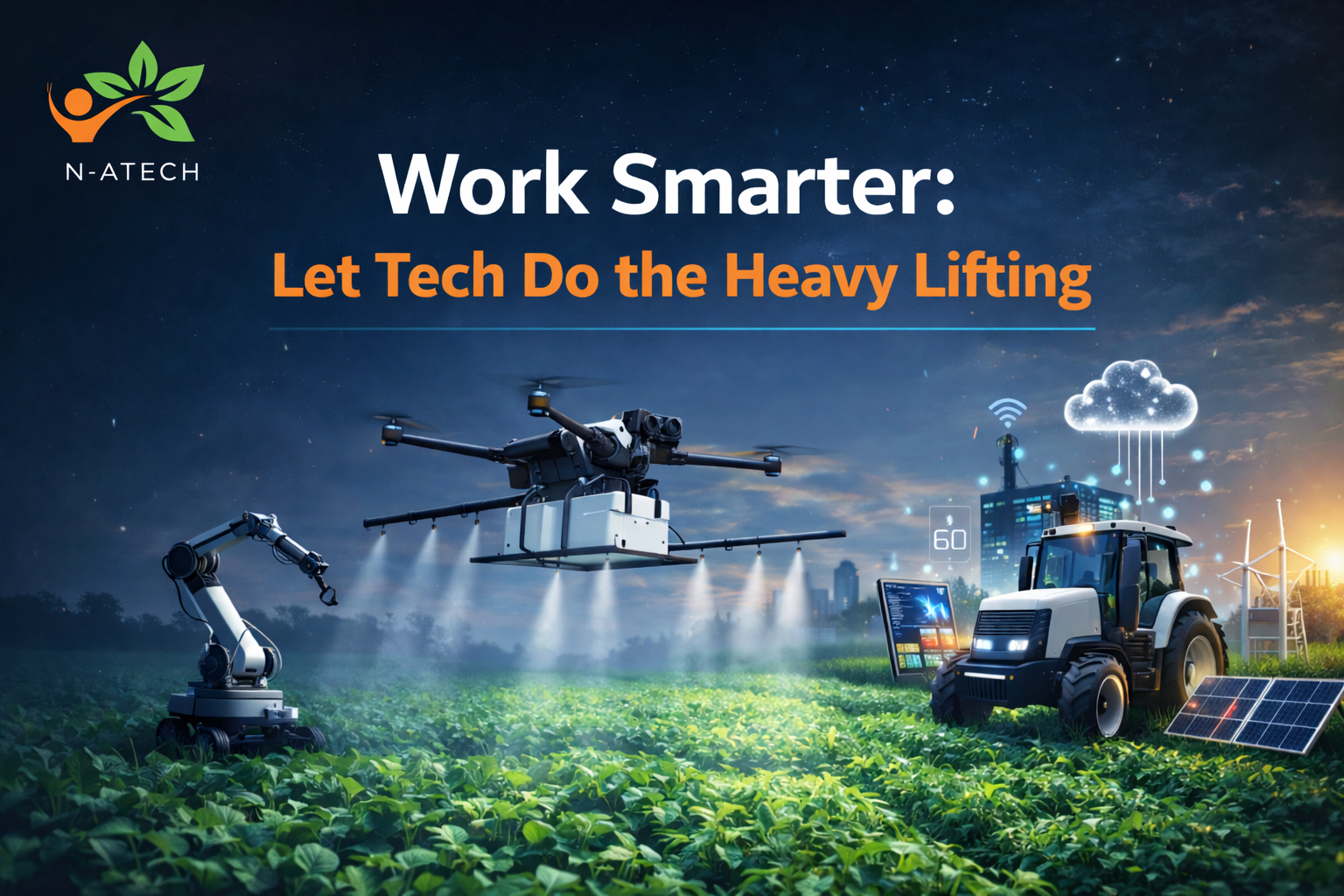
By combining these technologies, farmers can move from reactive to proactive farm management, achieving higher yields and more sustainable operations.
Real-World Impact: Success Stories
Farmers who have adopted soil and moisture analytics report measurable improvements:
-
Up to 20% increase in crop yield through optimized irrigation and nutrient management.
-
15–25% reduction in water usage, which translates into lower operational costs.
-
Significant decrease in chemical inputs due to precise soil health monitoring.
These benefits demonstrate that smart farming is not just a trend—it’s the future.
Choosing the Right Partner
For farmers ready to embrace precision agriculture, partnering with a trusted provider of soil and moisture analytics is crucial. Companies like N‑atech specialize in data-driven agricultural solutions, combining IoT sensors, GIS analytics, and drone-based monitoring to deliver insights tailored to each farm’s unique conditions.
By integrating cutting-edge technology with field expertise, farmers can unlock the full potential of their land while saving time, money, and resources.
Conclusion
Optimizing farm performance through soil and moisture analytics is a game-changer for modern agriculture. By harnessing real-time data and actionable insights, farmers can make smarter decisions, boost crop yield, and promote sustainable practices.
Investing in precision farming technology today is an investment in the profitability and sustainability of tomorrow.

Leave a reply