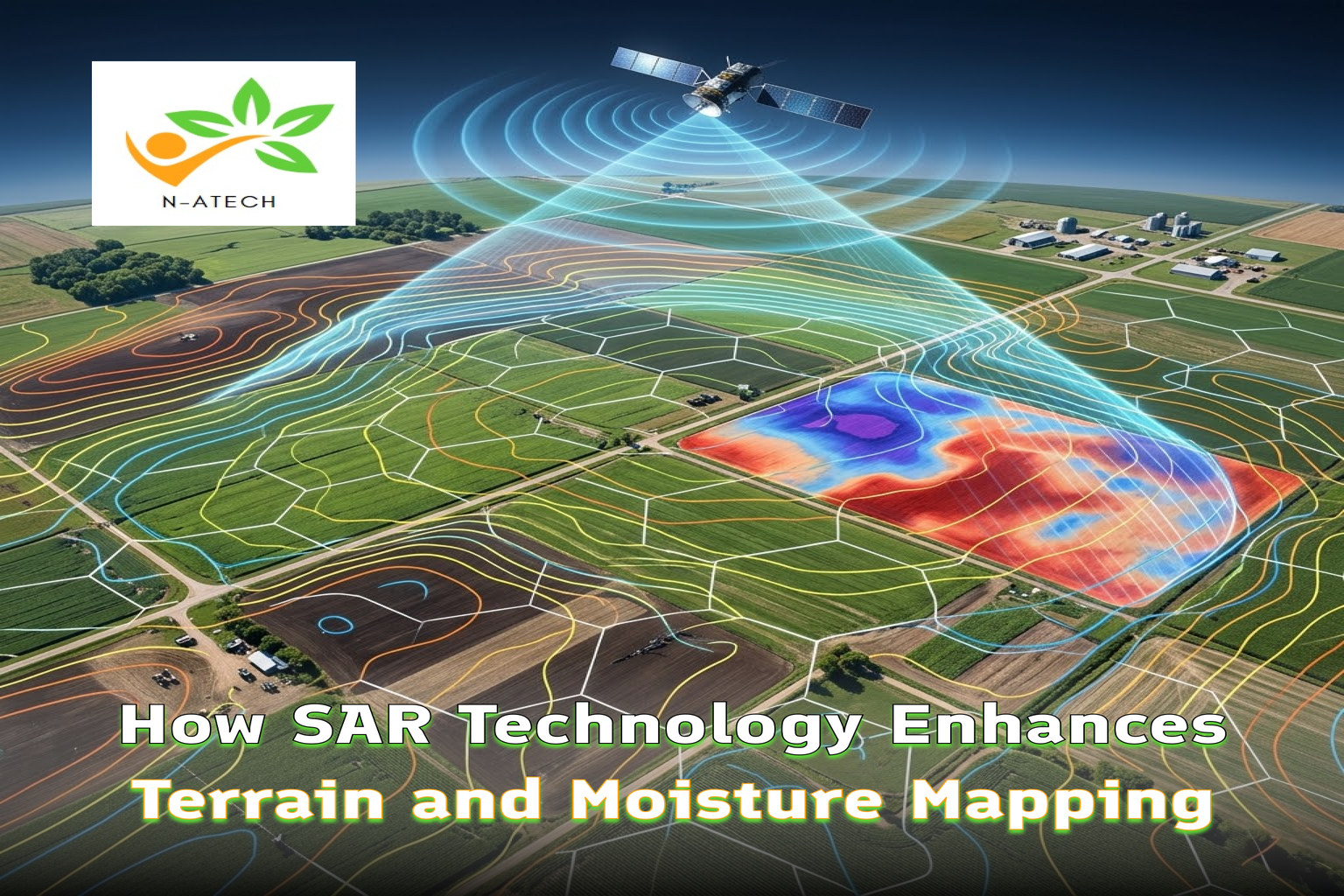



In the ever-evolving world of agriculture, precision and efficiency are no longer optional—they are essential. Modern farmers must increase crop yields, manage resources effectively, and adapt to changing climate conditions. One of the most powerful technologies enabling this transformation is Synthetic Aperture Radar (SAR).
By delivering accurate insights into terrain and soil moisture, SAR is reshaping how farmers monitor, analyze, and optimize their fields for better productivity and sustainability.
Understanding SAR Technology
Synthetic Aperture Radar, commonly known as SAR, is a remote sensing technology that uses radar signals to capture detailed images of the Earth's surface. Unlike traditional optical imaging systems, SAR can operate in all weather conditions and does not depend on daylight.
It can penetrate clouds, haze, and vegetation, providing consistent and reliable data. This makes it highly valuable in agriculture, where timely and accurate information is critical.
SAR works by sending radar signals toward the ground and analyzing the reflected signals. These reflections reveal information about terrain structure, soil moisture levels, and even subtle variations in crop growth. When integrated with GIS and precision farming tools, SAR enables highly informed decision-making.
Benefits of SAR in Terrain Mapping
Accurate terrain mapping is fundamental for efficient farm management. SAR technology provides highly detailed elevation data that helps identify even minor changes in land height. This information is useful for designing irrigation systems, improving drainage, and planning field layouts to ensure efficient water flow.
It also helps in analyzing slopes and identifying areas prone to erosion or waterlogging. With this knowledge, farmers can adopt preventive measures such as contour farming or soil stabilization to maintain soil quality.
Additionally, SAR data supports land use and vegetation mapping by distinguishing between soil types, crop cover, and barren land. This allows farmers to select suitable crops and improve soil conditions in specific areas.
SAR for Soil Moisture Monitoring
Soil moisture plays a critical role in crop health and agricultural productivity. Traditional methods of measuring moisture are often time-consuming and limited in scope. SAR technology transforms this process by offering large-scale, accurate insights.
It enables real-time detection of soil moisture variations across entire fields, allowing farmers to optimize irrigation schedules. This ensures crops receive the right amount of water, preventing both overwatering and drought stress.
SAR also helps monitor long-term moisture trends, which can be used to predict drought conditions or potential flooding. This early warning capability allows farmers to take preventive action and protect their crops.
Furthermore, soil moisture data improves fertilizer application. Nutrients are absorbed more effectively when applied under optimal moisture conditions, reducing waste and increasing efficiency.
Integrating SAR with Precision Agriculture
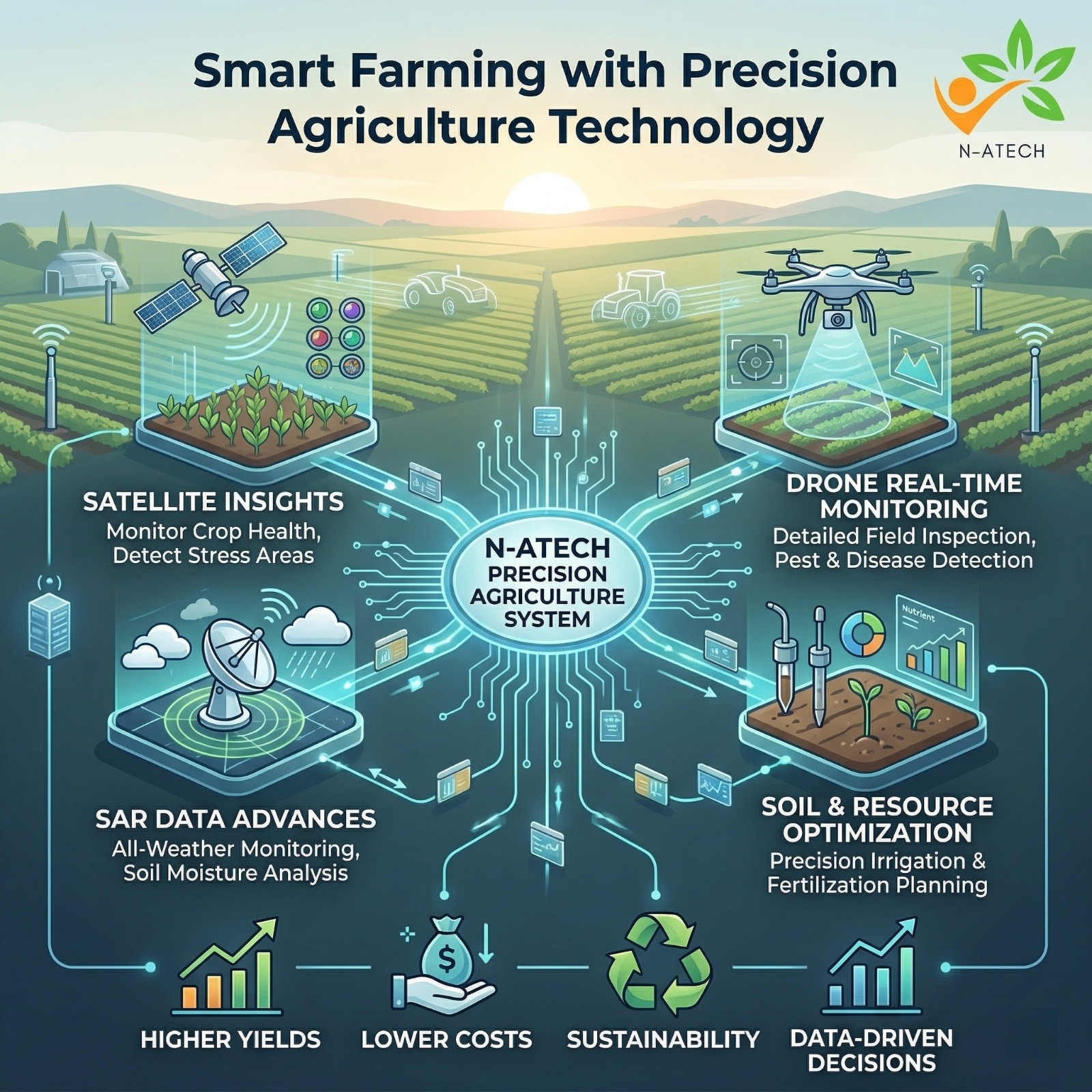
SAR becomes even more powerful when combined with other precision agriculture technologies. When integrated into GIS platforms, SAR data creates visual maps that highlight terrain and moisture patterns, making it easier to plan irrigation and crop management strategies.
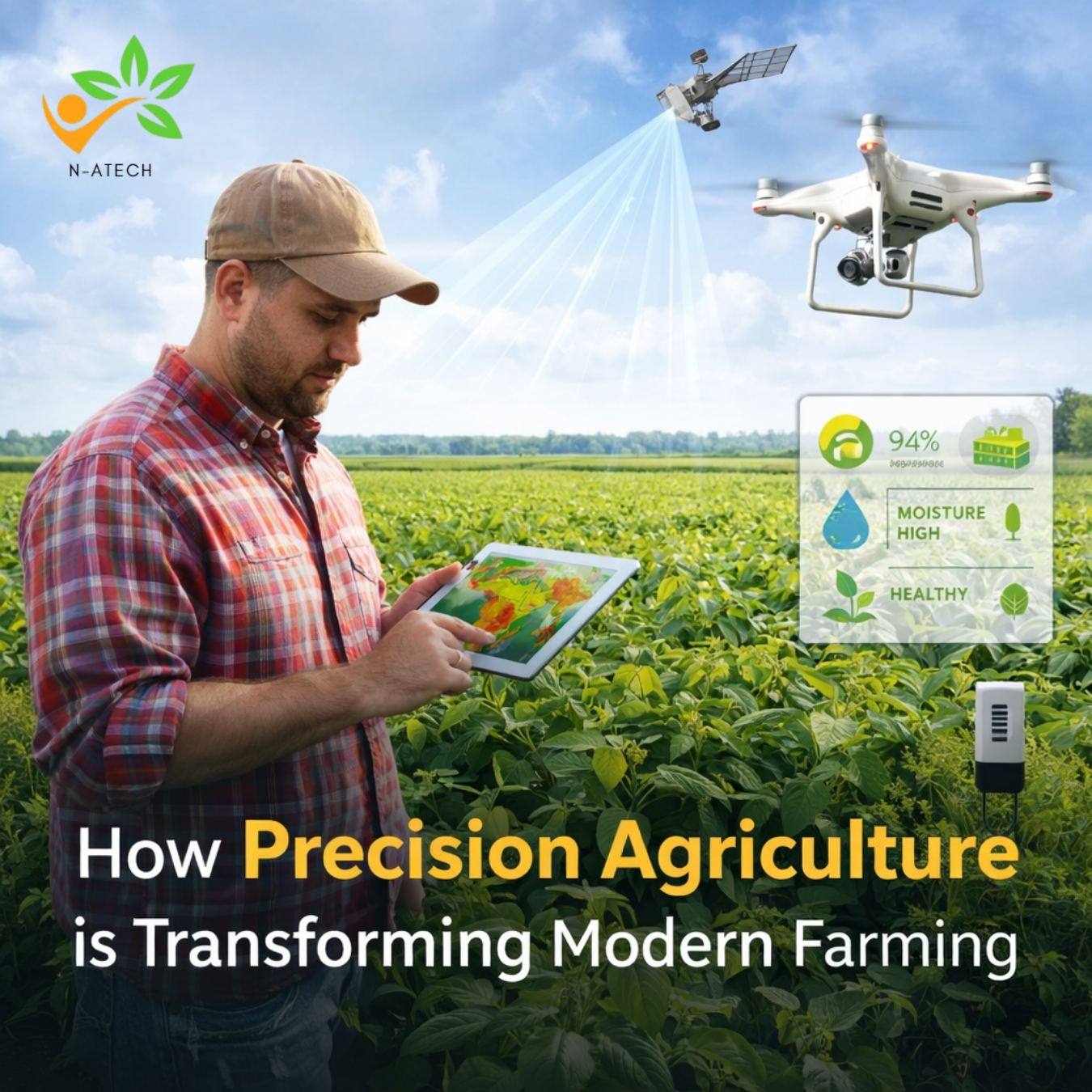
It can also complement drone and satellite imagery by providing data even when weather conditions limit optical visibility. Additionally, IoT-based soil sensors can validate SAR data, creating a multi-layered system that improves accuracy and reliability.
Together, these technologies enable farms to operate as fully data-driven systems, improving productivity and sustainability.
Real-World Applications of SAR in Agriculture
SAR technology is already being widely used in modern farming. It plays a key role in irrigation planning by helping farmers determine where and when to water crops efficiently. It also supports crop health monitoring by identifying early signs of plant stress linked to moisture imbalance.
Farmers use SAR data for yield prediction by analyzing terrain and moisture patterns, enabling better planning for harvesting and market supply. Additionally, SAR assists in disaster management by tracking droughts and floods, helping minimize damage and financial losses.
Why SAR is a Game-Changer
Agriculture today faces challenges such as climate change, water scarcity, and increasing food demand. SAR technology addresses these issues by providing accurate, real-time insights that support smarter decisions.
Its ability to operate in all weather conditions ensures uninterrupted monitoring. High-resolution data provides detailed field-level insights, while scalability makes it suitable for both small farms and large agricultural operations.
By optimizing water usage and fertilizer application, SAR also promotes sustainable farming practices, reducing environmental impact while improving efficiency.
Choosing the Right SAR Solutions Partner
Implementing SAR technology effectively requires expertise in data processing and integration. N-atech offers advanced precision agriculture solutions that combine SAR data with GIS mapping, drone imagery, and IoT sensors.
With the right partner, farmers can transform complex data into simple, actionable insights, leading to better decision-making, reduced costs, and increased crop yield.
Conclusion
SAR technology is transforming modern agriculture by providing deeper insights into terrain and soil moisture. It enables farmers to make smarter decisions, improve productivity, and use resources more efficiently.
As agriculture continues to evolve, SAR-based solutions are becoming essential tools for sustainable and high-yield farming. By adopting this technology, farmers can prepare for future challenges while ensuring long-term success and environmental balance.

Leave a reply