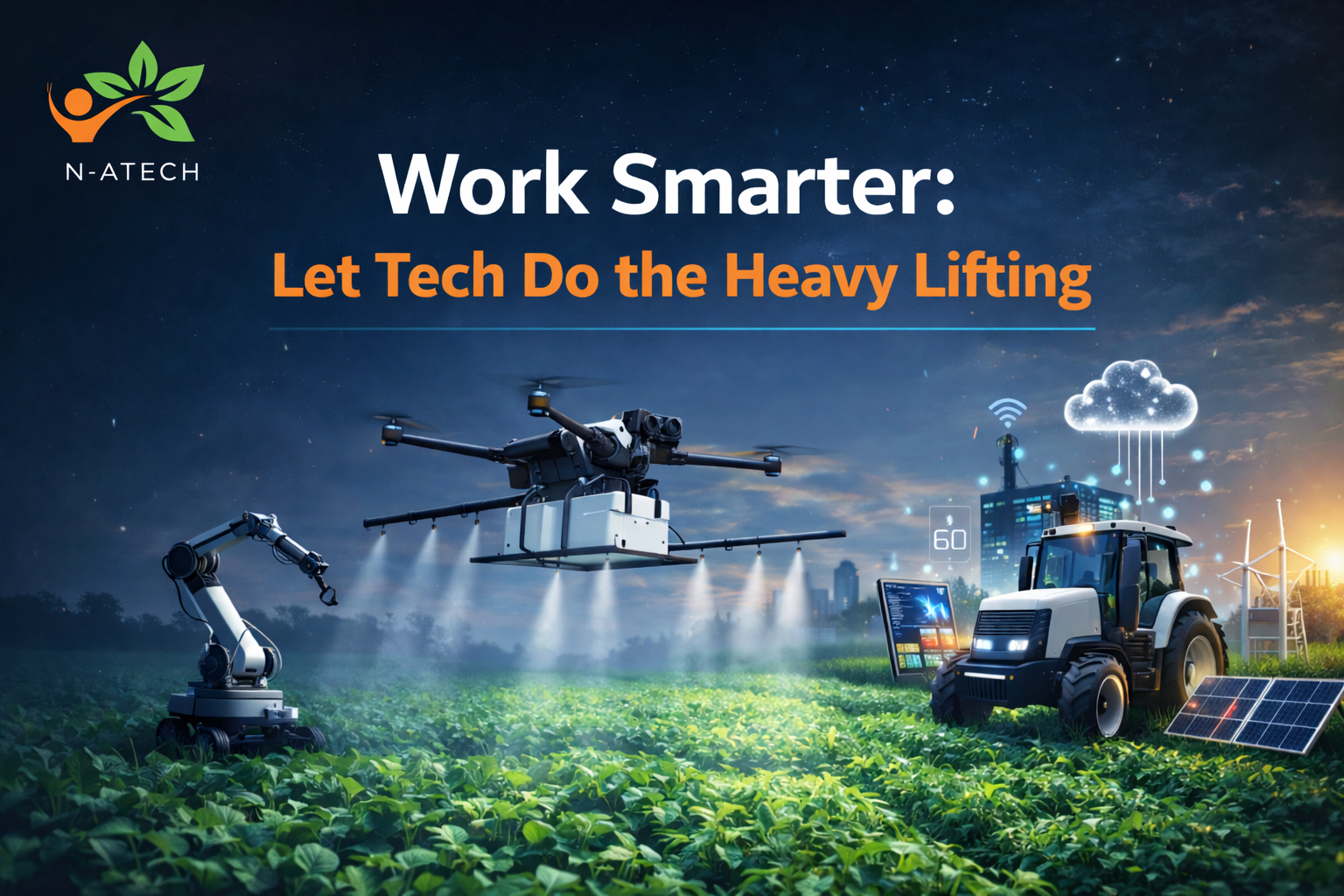



Technology is no longer just a support system for businesses. It has become the driving force behind efficiency, productivity, and innovation. Across industries, organizations are shifting from manual, time-consuming processes to intelligent systems that automate complex tasks and deliver faster results.
The idea is simple. Work smarter by allowing technology to handle the heavy lifting.
Automation Is Transforming Industries
From agriculture to manufacturing and logistics, automation and AI-powered tools are transforming how work gets done. Machines are now capable of performing repetitive tasks with greater precision, consistency, and speed than ever before. This not only reduces human effort but also improves overall performance and output quality.
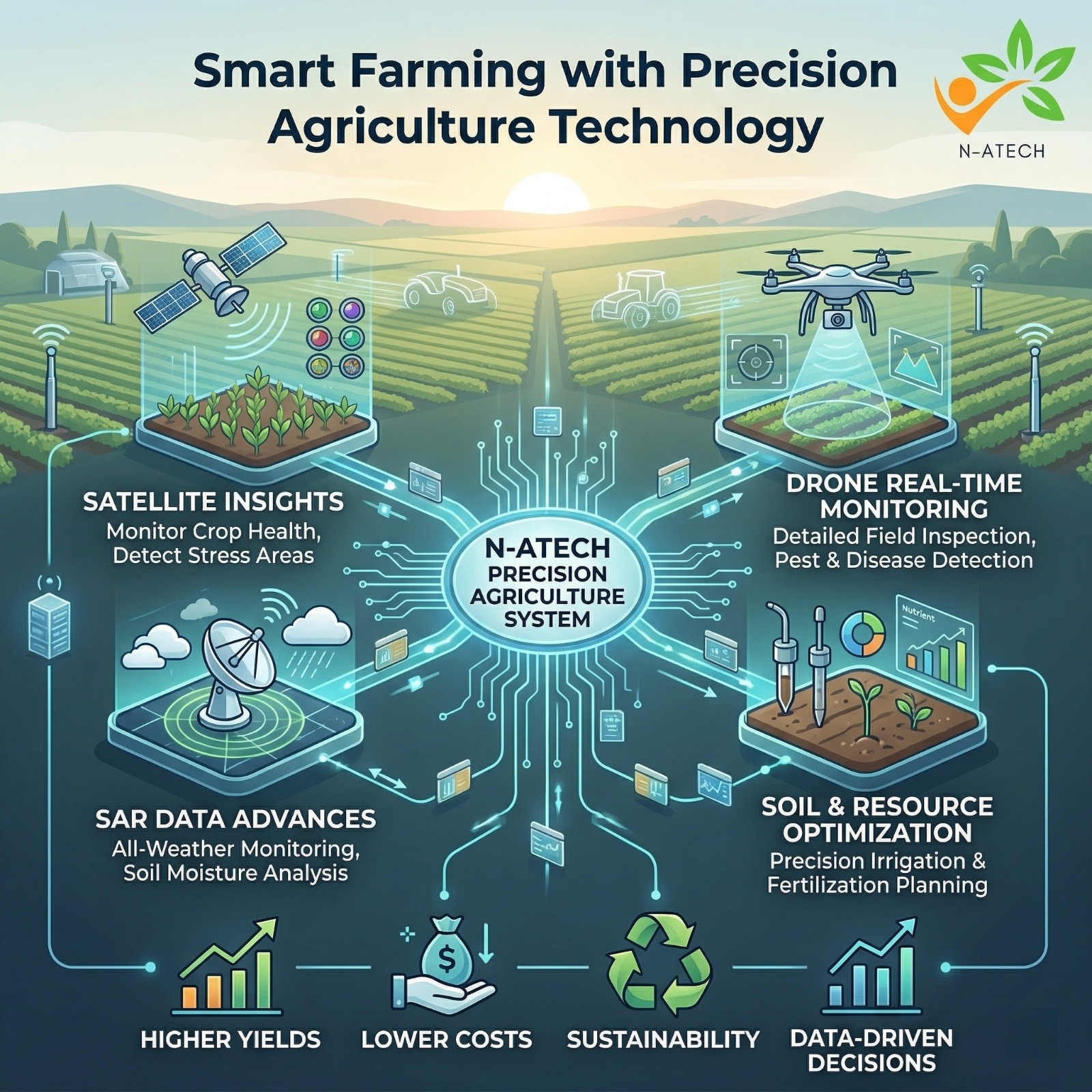
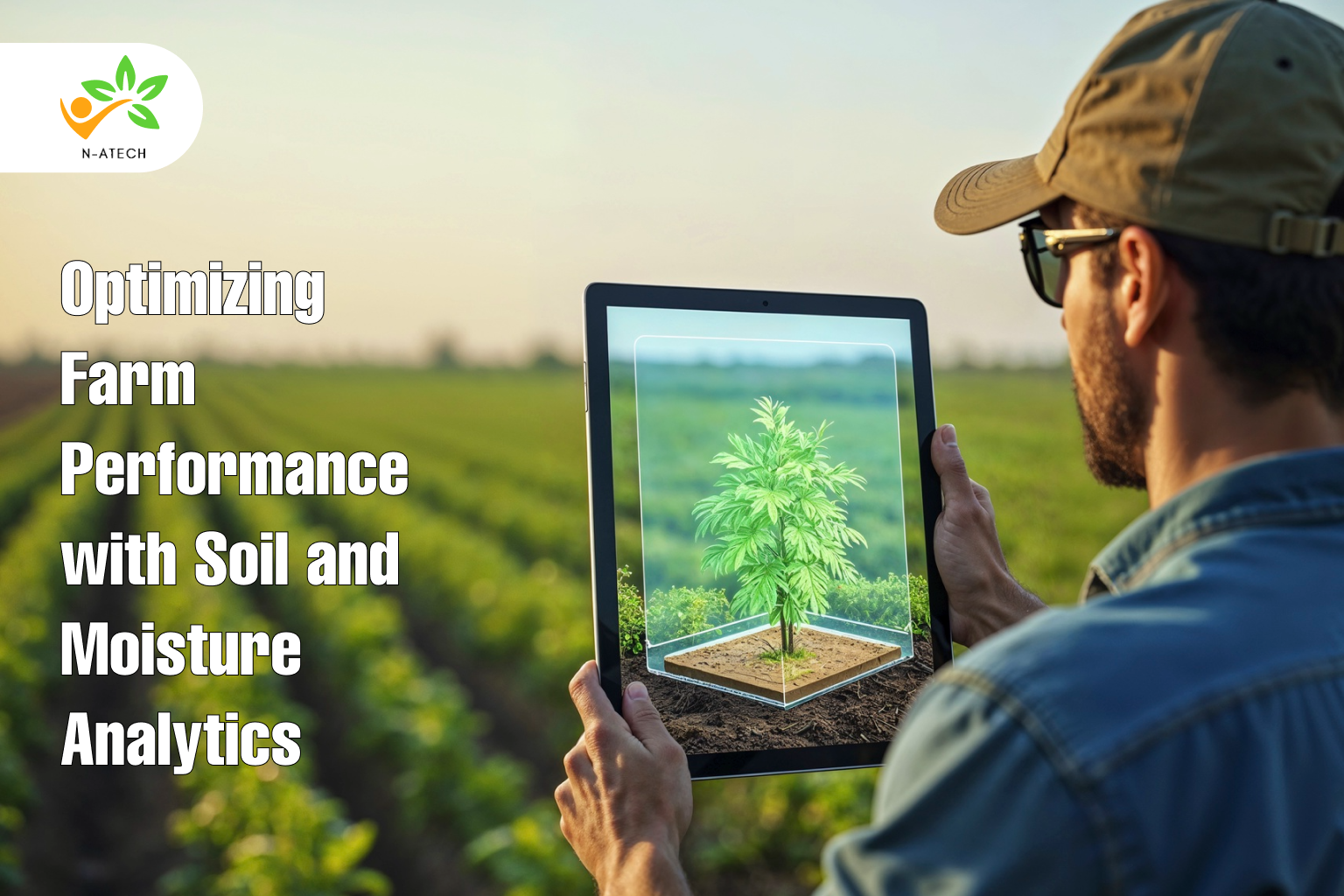
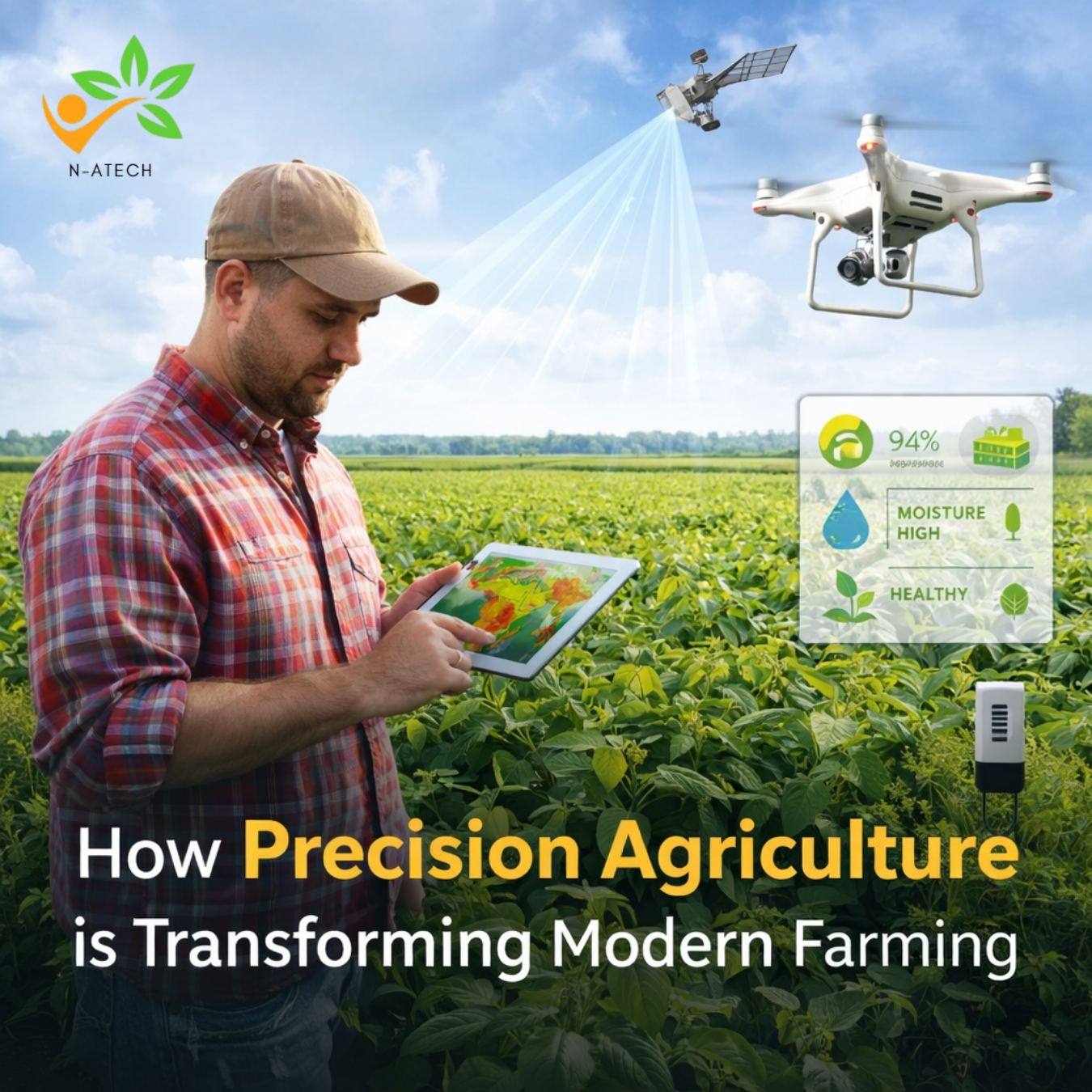
In modern agriculture, for example, smart drones monitor crops, robotic arms assist in harvesting, and connected tractors analyze soil and weather conditions in real time. Farmers can make data-driven decisions rather than relying solely on traditional methods. The result is higher productivity, better resource management, and improved sustainability.
The Power of Artificial Intelligence
Artificial Intelligence plays a major role in this transformation. AI systems analyze large volumes of data instantly, identify patterns, and provide actionable insights. Businesses can predict demand, optimize operations, and reduce waste with greater accuracy. Instead of reacting to problems, companies can proactively prevent them.
AI-driven decision-making is enabling faster innovation and smarter growth strategies across sectors.
Cloud Connectivity and Real-Time Insights
Cloud technology and connected devices further enhance this ecosystem. With real-time connectivity, equipment, systems, and teams can communicate seamlessly. Performance metrics are accessible instantly, allowing decision-makers to monitor operations from anywhere. This level of visibility leads to smarter planning and faster execution.
Real-time insights mean fewer delays, reduced inefficiencies, and improved coordination across departments.
Improving Safety and Workforce Productivity
Automation also improves workplace safety. Tasks that once required heavy physical labor or exposure to hazardous conditions can now be managed by intelligent machines. Employees can focus on strategic thinking, creativity, and problem-solving rather than repetitive manual work.
This shift not only protects workers but also elevates their roles within the organization.
Sustainability Through Smart Technology
Sustainability is another major benefit of smart technology integration. Energy-efficient systems, precision resource management, and optimized logistics reduce environmental impact while lowering operational costs. Businesses that adopt intelligent solutions not only increase profitability but also contribute to long-term environmental responsibility.
Smart systems make sustainable growth both achievable and measurable.
The Future of Working Smarter
The future belongs to organizations that embrace innovation. Technology should not replace human potential; it should enhance it. When machines handle the operational burden, people are free to innovate, strategize, and create value at a higher level.
Working smarter means building systems where intelligence, automation, and human expertise work together seamlessly. As industries continue to evolve, those who leverage advanced technology effectively will lead the next wave of growth and transformation.
The message is clear. Let technology do the heavy lifting, so you can focus on what truly drives progress.

Leave a reply