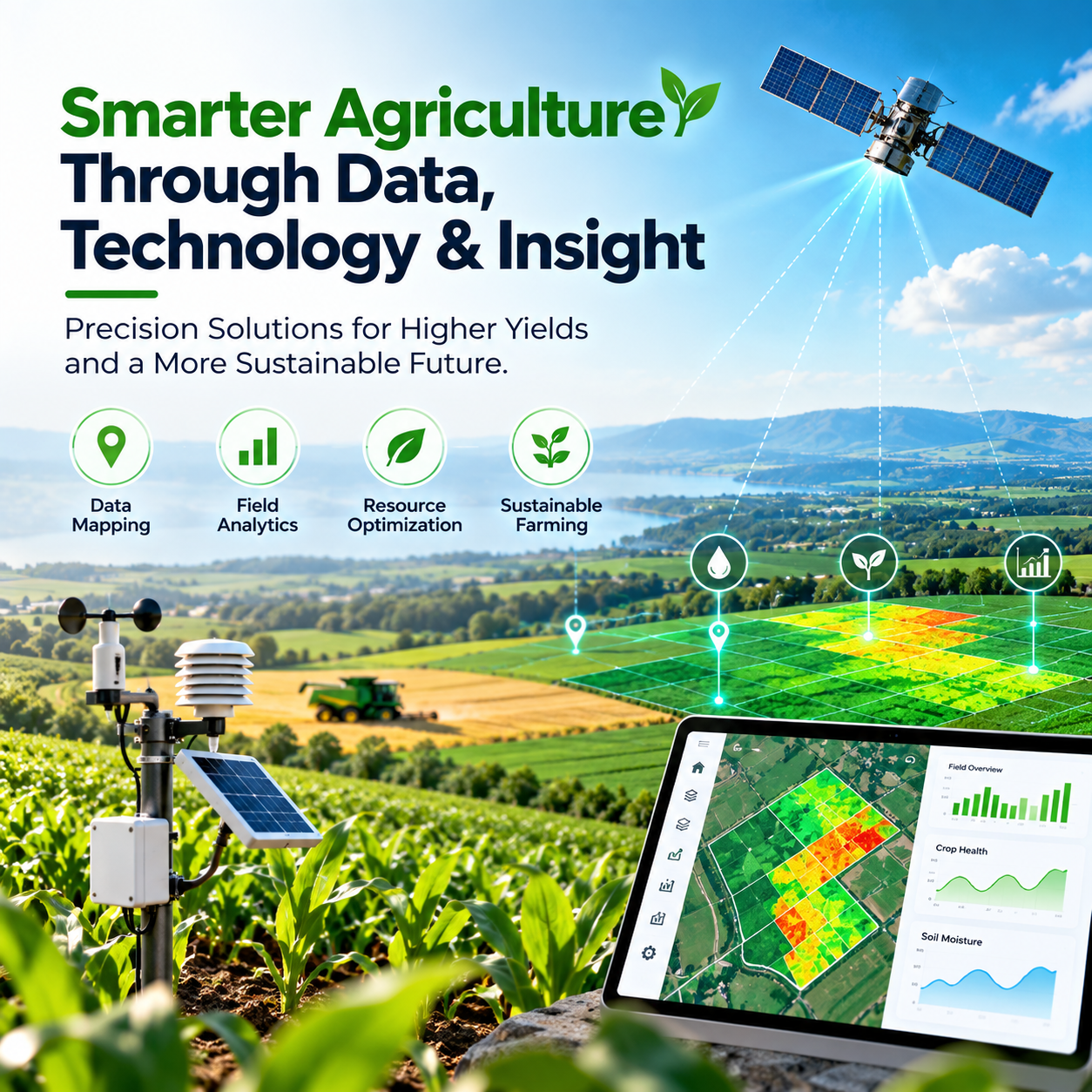



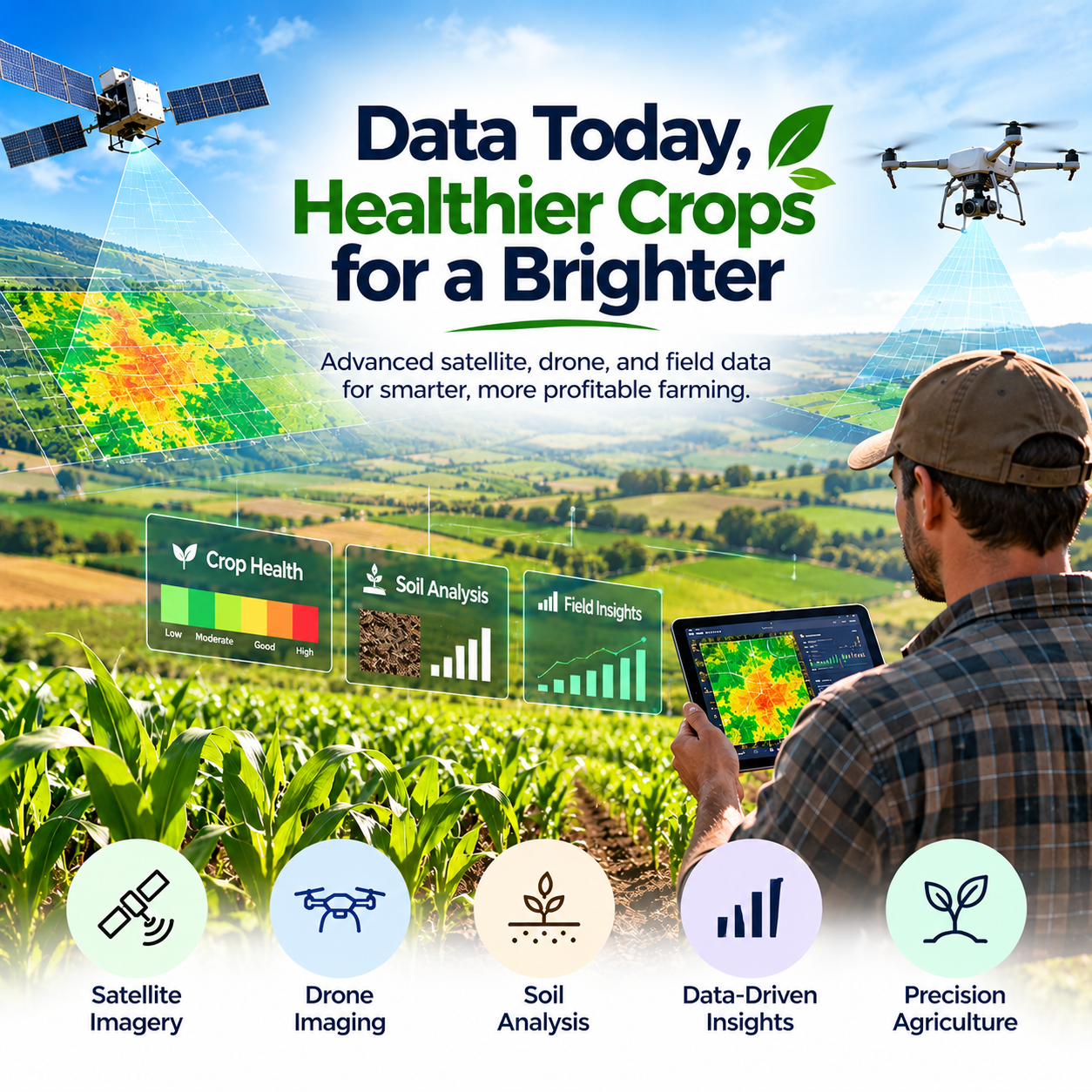
Agriculture is entering a new era where data, technology, and intelligent analysis are becoming essential tools for making better farming decisions. Farmers and agronomists need more than traditional methods to understand changing field conditions, optimize resources, and improve productivity. Precision agriculture technology helps transform complex field data into practical insights that can support smarter and more sustainable farming.
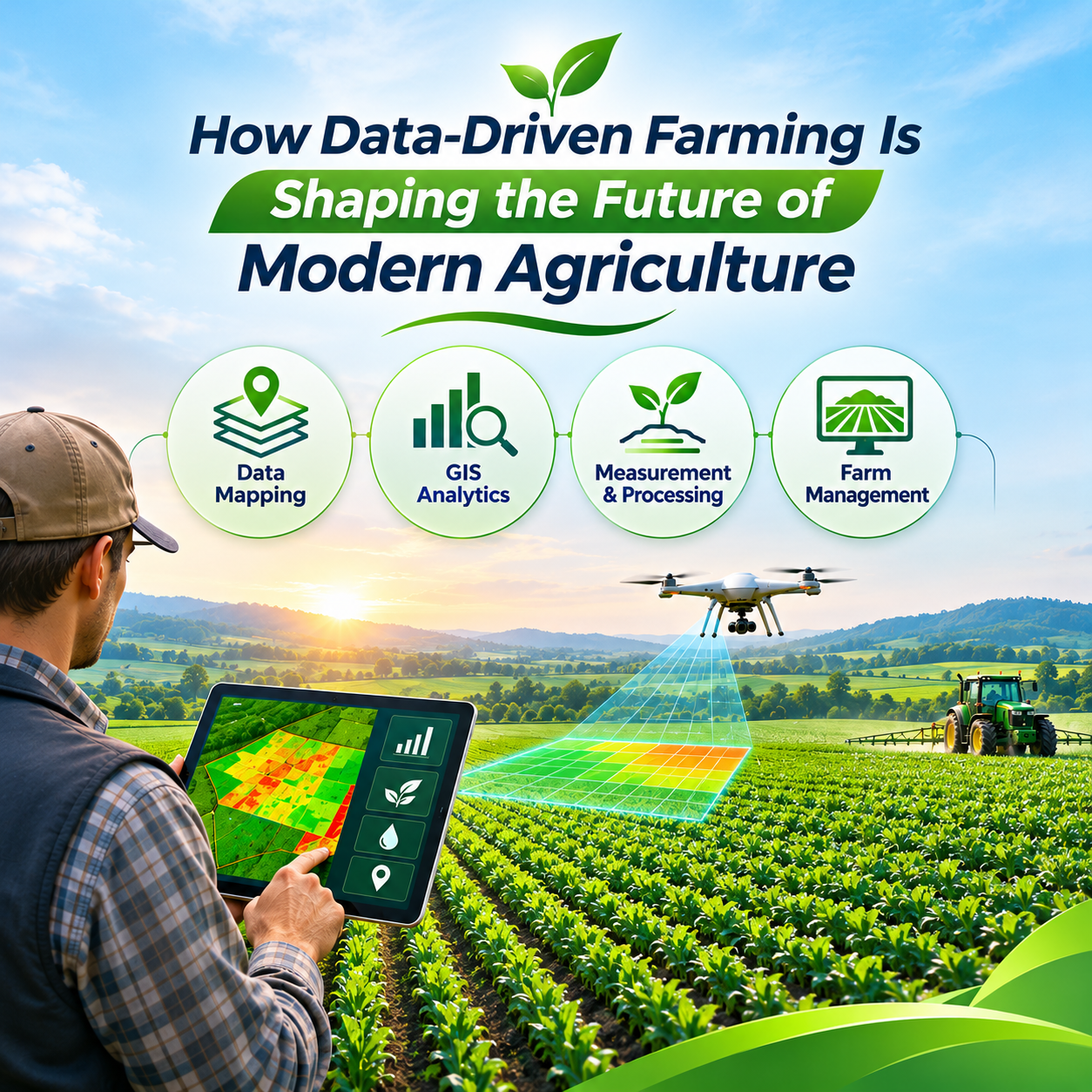
N-atech is focused on modernizing agriculture through data mapping, measurement, processing, GIS analytics, and farm management technologies. By connecting geographic information with agricultural data, N-atech helps farmers and agronomists gain a clearer understanding of their land and make more informed decisions.
What Is Precision Agriculture?
Precision agriculture is a technology-driven approach to farming that uses data, mapping, sensors, geographic information systems, and analytics to understand field conditions at a more detailed level.
Instead of treating an entire farm as one uniform area, precision farming can help identify differences across individual fields and zones. These insights can support decisions related to crops, soil conditions, resource usage, field management, and productivity.
The result is a more data-driven approach where farmers can use measurable information to guide agricultural decisions rather than relying only on traditional assumptions or generalized field observations.
The Role of Data in Modern Farming
Data has become one of the most valuable resources in modern agriculture. Information collected from fields can provide insights into crop conditions, soil characteristics, environmental changes, and other factors that influence agricultural productivity.
However, collecting data alone is not enough. The information needs to be organized, processed, mapped, and interpreted so that it can support practical decisions.
N-atech combines data mapping, measurement, processing, and GIS analytics to help transform agricultural information into actionable insights. This approach allows farmers and agronomists to better understand what is happening across their land and identify opportunities for improvement.
How GIS Supports Agriculture
Geographic Information Systems, commonly known as GIS, play an important role in precision farming. GIS technology can connect agricultural information with geographic locations, allowing users to visualize and analyze data across specific areas of a farm.
GIS-based agricultural analytics can help users understand variations across fields, identify patterns, compare different areas, and monitor changes over time.
By combining GIS with farm management, agricultural organizations can develop a more detailed picture of their land and use location-based information to support better planning and decision-making.
Data Mapping for Better Field Insights
Data mapping is an important component of precision agriculture. Mapping can turn complex agricultural information into visual representations that are easier to understand and analyze.
Instead of reviewing large amounts of raw data, farmers and agronomists can use mapped information to identify variations and patterns across different parts of a field.
This can help provide greater visibility into field conditions and support more targeted agricultural management. With accurate mapping and analysis, farmers can better understand where attention or resources may be required.
Optimizing Agricultural Resources
Efficient resource management is becoming increasingly important for modern agriculture. Farmers need to manage resources carefully while maintaining productivity and supporting sustainable farming practices.
Data-driven agriculture can help identify where resources may be needed and where unnecessary usage could potentially be reduced. By understanding field-level variations, farmers can make more targeted decisions regarding agricultural inputs and other resources.
N-atech's precision farming approach focuses on using data and analytics to help farmers and agronomists optimize resources while making informed decisions based on field information.
Supporting Higher Agricultural Productivity
Improving productivity is a major objective for farmers and agricultural businesses. However, increasing productivity is not simply about using more resources. It requires understanding the conditions that influence crop performance and identifying opportunities to improve farm management.
Precision agriculture technologies can provide detailed information that supports better planning, monitoring, and decision-making. When field data is properly analyzed, farmers can gain insights that may help them optimize cultivation practices and improve the overall management of their land.
N-atech aims to provide these data-driven insights through technologies that connect mapping, measurement, processing, GIS analytics, and farm management.
Creating More Sustainable Farming Practices
Sustainability is becoming an increasingly important consideration in agriculture. Farmers need to balance productivity with responsible resource management and long-term land health.
Data-driven farming can contribute to more sustainable agricultural practices by helping farmers understand where and how resources are being used. More targeted decision-making can support efficient resource allocation and reduce unnecessary inputs.
By combining precision agriculture with GIS analytics and farm management, technology can help create a more informed approach to sustainable farming.
Empowering Farmers and Agronomists
Technology is most valuable when it helps people make better decisions. Farmers and agronomists work with complex variables every day, including weather, soil conditions, crop health, field characteristics, and resource availability.
Agricultural data platforms can bring these different sources of information together and provide a clearer view of field conditions.
N-atech's approach is designed to empower farmers and agronomists with actionable insights, helping them move from raw agricultural data toward practical information that can support everyday farm management.
The Future of Data-Driven Agriculture
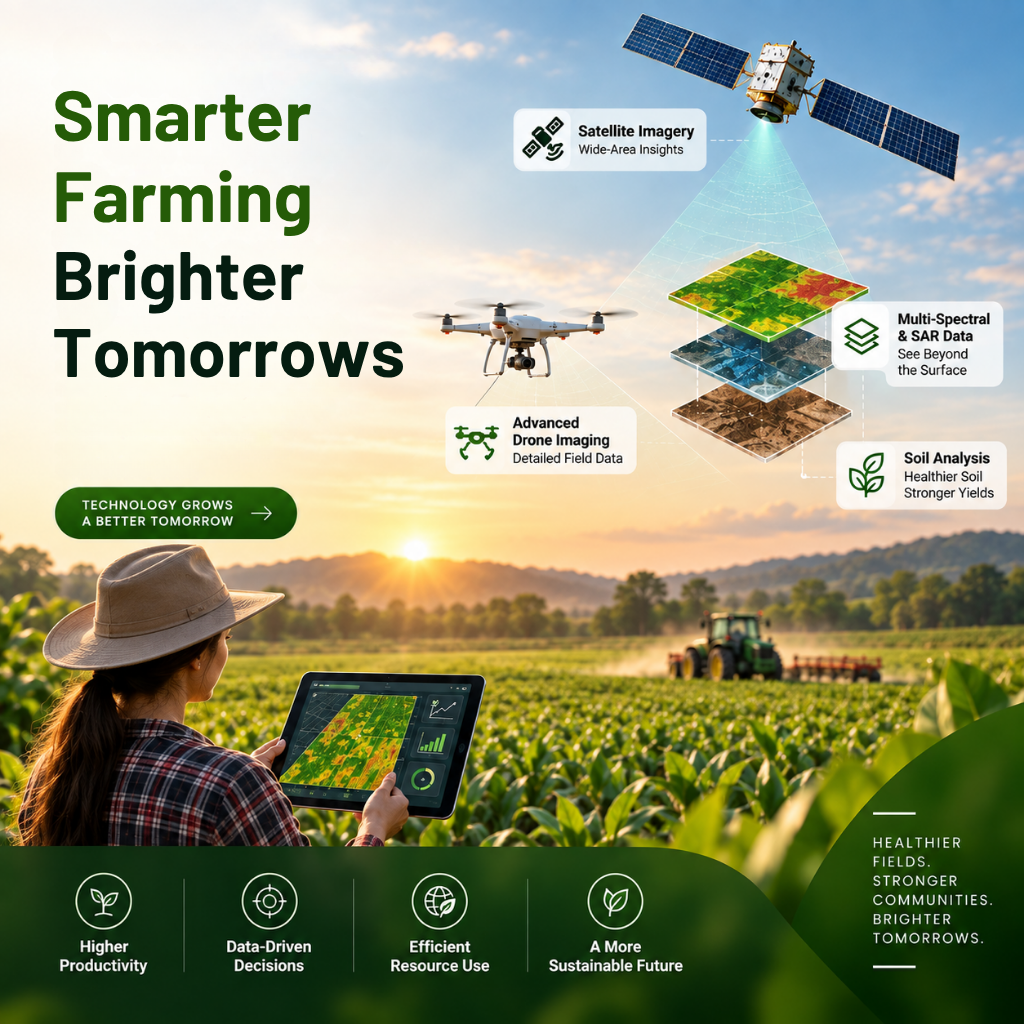
The future of agriculture will increasingly depend on the ability to collect, process, analyze, and apply data effectively. GIS, remote sensing, mapping, measurement technologies, analytics, and farm management systems are creating new possibilities for precision farming.
As these technologies continue to evolve, farmers can gain access to increasingly detailed information about their land and crops. This can support more precise decision-making, efficient resource management, improved productivity, and sustainable agricultural practices.
The combination of agriculture and technology is creating a new model of farming where data becomes a foundation for smarter decisions.
Conclusion
Modern agriculture is moving beyond traditional farming methods toward a more connected, measurable, and data-driven future. Precision agriculture, GIS analytics, data mapping, and farm management technology can help farmers and agronomists gain deeper insights into their land and make more informed decisions.
N-atech brings these technologies together to support a smarter approach to farming. By transforming agricultural data into actionable insights, its solutions aim to help improve productivity, optimize resources, and support more sustainable farming practices.
The future of agriculture is not only about cultivating land—it is about understanding it. With the right technology and data-driven insights, farmers can make more informed decisions and build a more productive and sustainable future.

Leave a reply